Pasikudah doesn’t immediately entice, but it is the pin up of picture-postcard beaches thanks to its soft white sand and translucent water. It is easily a tropical paradise with swaying palms, endless sandy beaches, a relaxed and easygoing vibe, and with water sports and lesser-known sights to explore.
In Tamil, Pasikudah means Green Algae Bay.
I know this because this was my first destination in Sri Lanka located close to the laidback Batticaloa with its vast lagoon and a predominantly Tamil-Hindu culture which gave the region a warmth and uniqueness not seen elsewhere.
When I arrived in town and checked into the superbly appointed Sun Siyam Pasikudah, the day was cloudless, the warm and clear blue waters beckoned. ocean was warm, and water was a clear blue. My villa overlooked the sea, the grounds were lush and private, the rooms stylish, and service is highly personalized but what made it stand out was the slanted twin palm trees standing marooned amidst an ocean of milky-white sand.
A new destination
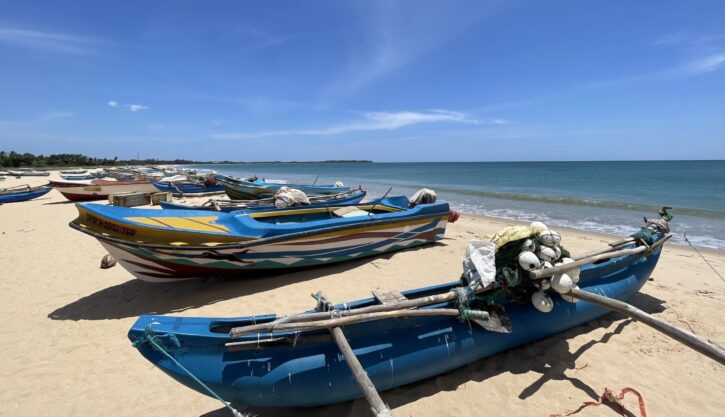
Pasikudah however is a relatively new destination in Sri Lanka for luxury beach holidays and the resorts lining Pasikuda including the one I stayed at, are well appointed and come with generous manicured gardens, wide-open beachfronts and the most surreal ocean views. A short distance away, the village of Pasikuda with its guesthouses, hawker stalls and fishing boats infuse local flavor.
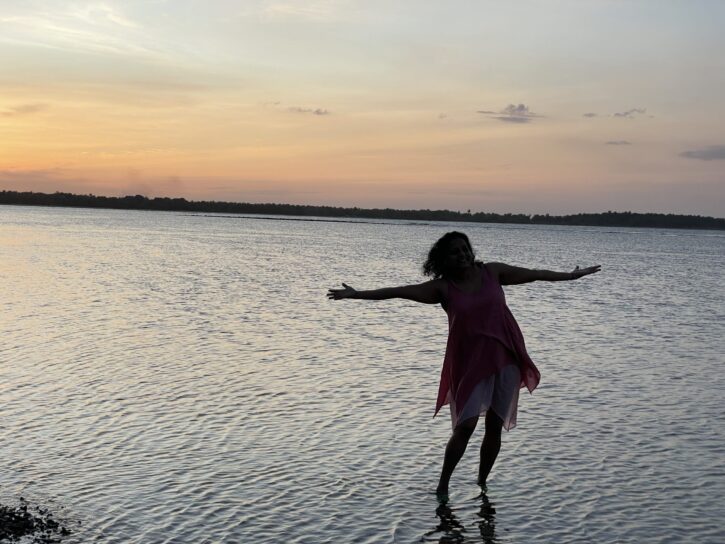
I spent the evening on the beach, enjoying the spectacular sunset. To my surprise, the next morning, I witnessed an equally spectacular sunrise – from the same spot. That was the singularly most stand-out experience at Sun Siyam – I suppose it is the horseshoe curve of Pasikudah Bay that made this possible – that and the chance to swim throughout the year without the strong currents, thanks to the natural reef.
Someone told me that Pasikuda beach at night is also ideal to photograph the Milky Way – although I never had the chance to find out.
The resort I stayed at is a destination in itself – there is much to experience here and even if you decided to stay in for the entire duration of your stay, you are not going to get bored. Dinner and drinks on the beach, campfires, tennis, long walks on the beach and spa easily takes up your time – and you can round it off with an evening on the Aqua Lounge – a one of its kind setting only found here. An elevated, floating wooden platform equipped to accommodate an intimate dinner in the middle of the reef!
What to do in and around Pasikudah
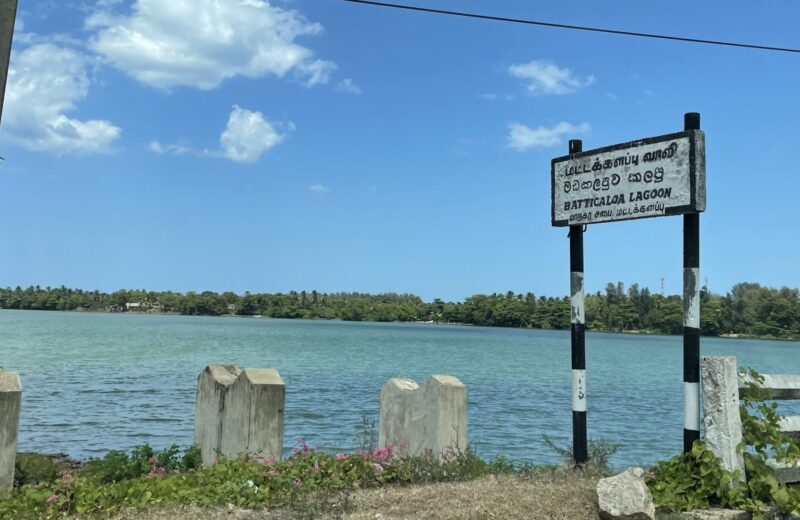
Pasikuda’s prime attraction is its relaxed holiday vibe. However, I found there were so many things to see and do – so I started with Batticaloa, the laidback town with its Dutch Fort and a handful of colonial-era remnants buildings, churches, an old bridge, a fully-functional railway station and a slender lighthouse. Gandhi Park with a golden statue of Mahatma Gandhi, the iconic Batticaloa Gate and the famed Kallady Bridge sum up the attraction in this town. But what I loved most was the lagoon (filled with jelly fish, so do not enter the waters) which provides the local community the chance to engage in fishing and shrimp farming and is the birthplace of the legends of the singing fish.
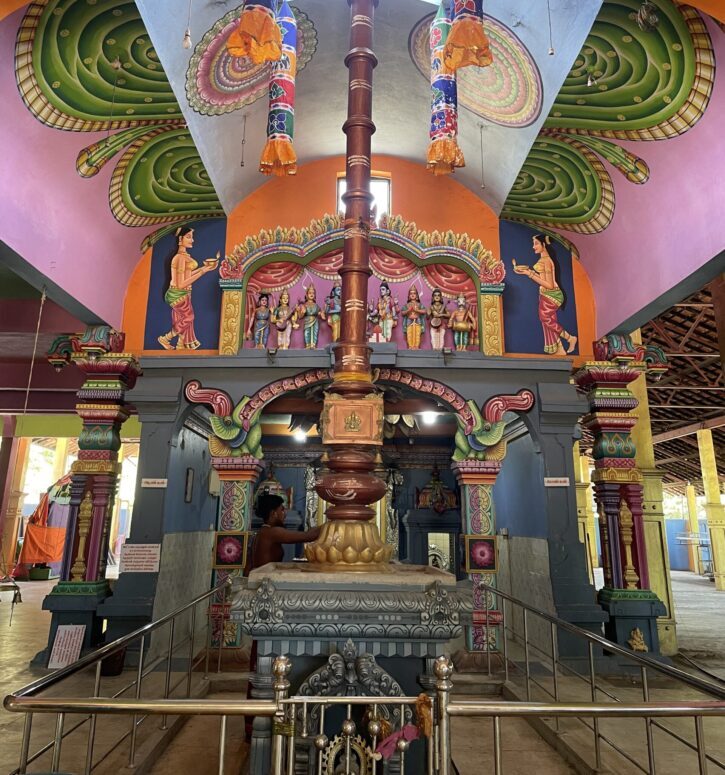
Just 20-minutes’ drive from Pasikudah is the secluded Kalkudah Beach lined with coconut trees and cashew plantations, in complete contrast to Pasikudah. The area is rather underdeveloped but that is the charm of it – you could spend the entire day on the soft white sands and not meet another soul!
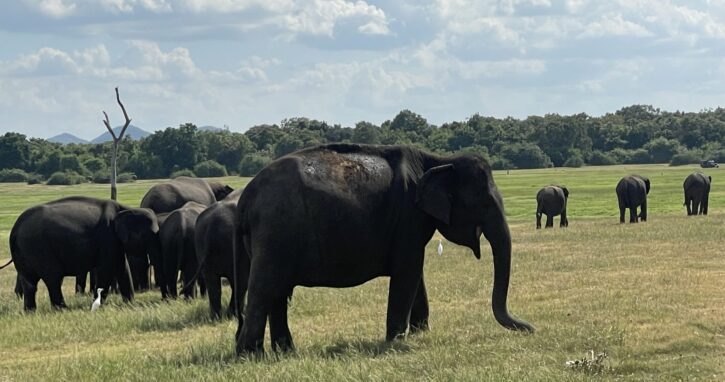
The next day I decided to visit the elephants in the Kaudulla National Park. Spread over 6000 hectares, this national park is home to a huge elephant population, aquatic and bird species. Particularly interesting is the elephant safari where you can see (literally) hundreds of elephants in their natural habitat.
Because I had set out early and the best time for elephant safari was post 3pm, we spent the morning exploring the town of Polonnaruwa, the second capital of Sri Lanka after the destruction of Anuradhapura in 993. This erstwhile capital is filled with Brahmanic monuments built by the Cholas.
It was a morning well spent. The safari itself was a huge success – in the sense, I have never seen that many elephants in one place. The ‘jungle’ is alive with birds and the vast wetlands is a huge draw for aquatic and migratory birds.
The last day in Pasikudah was reserved for strictly local sights and activities – something I’d encourage every visitor to do. Pottery making, I learnt after an unsuccessful attempt at making a tiny clay pot – was no easy task, requiring an extraordinary amount of skill and patience. I hated to waste the clay that was brought from so far away.
A visit to the fishing village was not without merits because it shows up the hard work of the local fishermen in providing us with delicious sea food, daily. In the local market, along with heaps of cucumbers, giant avocadoes and guava, I discovered the river tamarind, often used in local cooking.
Getting to Pasikudah
Pasikuda is approximately 300-kilometres from Sri Lanka’s capital Colombo, and the main international airport.
- You can come here by road – 4-5 hours’ drive.
- Hope on a one-hour domestic flight from Colombo to Batticaloa Airport, 45-minutes’ drive away from Pasikudah.
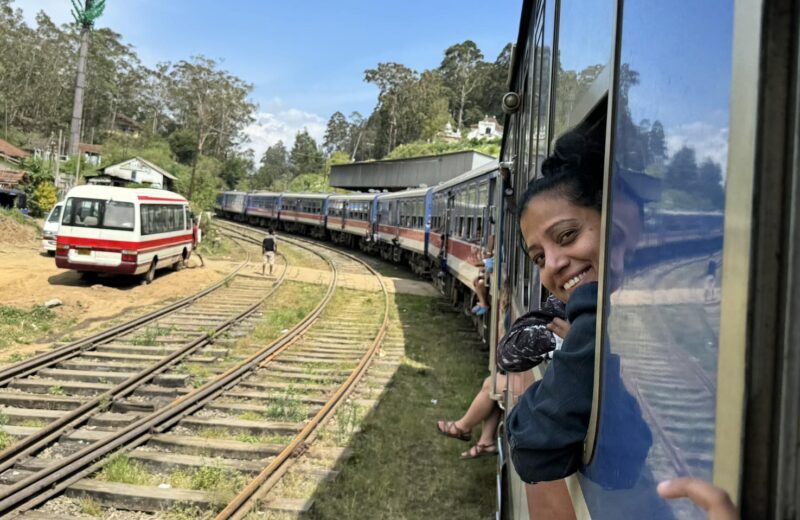
- You can take the train (be prepared for the long journey)
To fully enjoy Pasikudah –
- Go snorkeling: You will be taken to the coral reef in a boat with a glass bottom and given all the necessary equipment (life jackets, snorkeling masks, and fins) where you can snorkel to your heart’s content. The corals are mostly dead but there is plenty of fish to be seen.
- Go kayaking: Rent a two-person kayak and head to the reef.
- Walk and Swim: The reef is at the left side end of the bay, which means you can walk all the way to the end of the bay and swim about 100-200m to get to the snorkeling area.
What to eat
While you are here, eat local. The food is fresh, mostly locally procured and very wholesome. Sri Lankans are famous for their hoppers, string hoppers, sambols, pol roti, pittu, fish and coconut-based desserts. Every kind of international fare is available but eating local is really the way to become a part of the culture.