From the mountains of Antioquia to the innovative producers of Huila, Colombia’s specialty coffee scene offers travelers something far more memorable than a good cup of coffee.
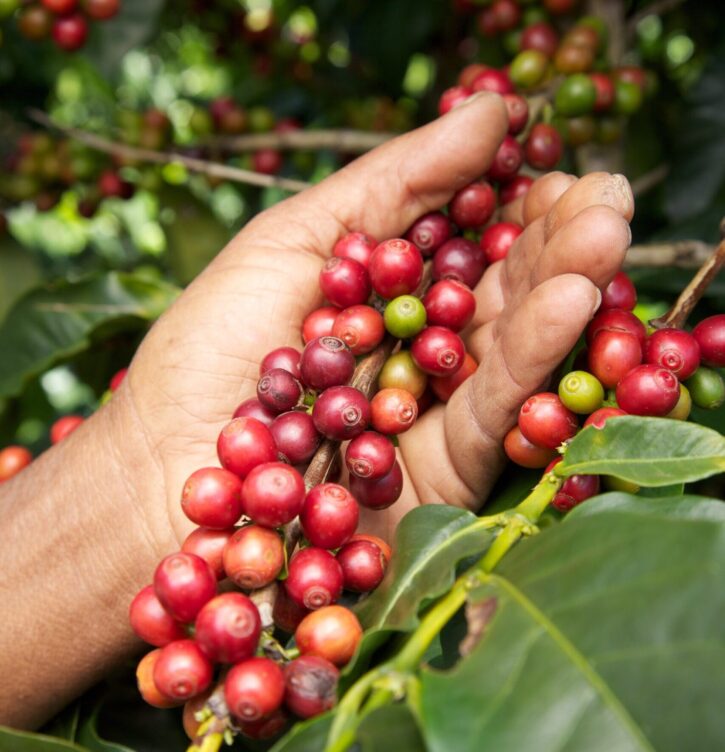
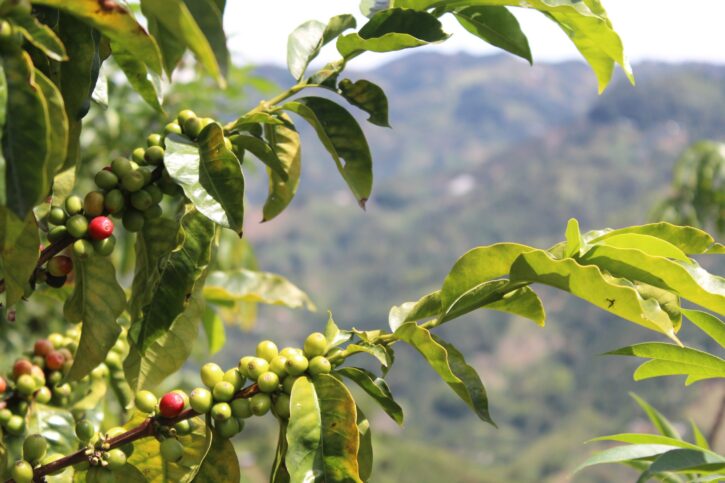
Colombia has long been synonymous with coffee. For decades, its reputation has been built on fertile mountain landscapes, generations of farming knowledge and the familiar image of coffee cherries ripening beneath tropical skies.
But beyond that familiar picture, something remarkable is happening. A new generation of Colombian producers is redefining specialty coffee through experimental processing, unusual varieties and closer relationships with international roasters. Among those exploring this transformation is 94 Celcius, an independent Canadian specialty coffee roaster based near Montreal, whose work with Colombian producers illustrates how coffee connects people across continents.
For travelers interested in food, agriculture and local culture, visiting Colombia’s coffee-growing regions reveals a side of the country that rarely makes it into a conventional travel itinerary.
And sometimes, the most interesting discoveries begin with the people behind the coffee.
Colombia: A Country Shaped by Coffee
Colombia’s relationship with coffee has become a fundamental part of its culture and economy.
Its rugged topography has resulted in the creation of a variety of different growing environments. Variations in altitude, rain, climate, and soil give coffees unique features, even within farms situated relatively nearby each other.
As much as the Coffee Cultural Landscape area around the cities of Armenia, Pereira and Manizales continues to represent Colombia’s most well-known destination in terms of coffee tourism, the departments of Huila, Cauca, Nariño and Antioquia are gaining significance in the specialty coffee world internationally.
At such sites, it becomes clear that coffee cultivation extends far beyond growing and harvesting of beans.
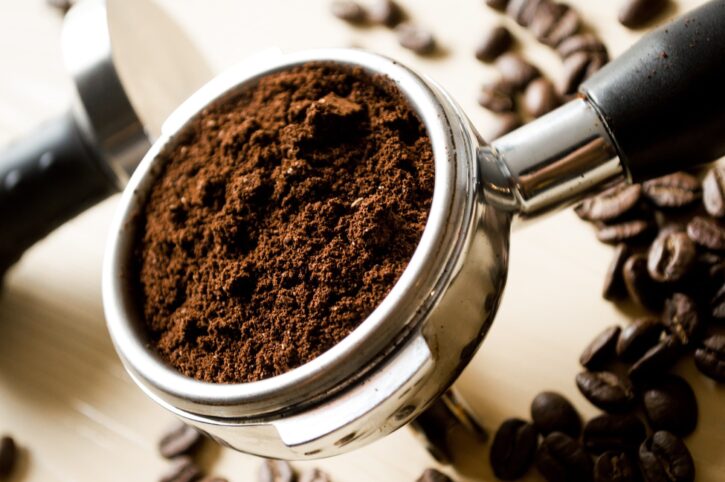
From picking the coffee cherry through processing, fermenting, washing, drying, and preparing for export, each coffee berry has to go through many processes before it ends up at a roastry.
Every choice affects the final product.
Behind these choices, there are individuals whose stories are just as engaging as the landscape of their farms.
Meeting Colombia’s New Generation of Coffee Producers
One of the more intriguing aspects about Colombia’s specialty coffees is how young farmers have been increasingly getting involved in the process.
Some continue on family traditions while others have turned back to farming after trying out completely different careers.
Carolina Ramírez is part of this emerging generation of coffee farmers.
Prior to getting into coffee production, Carolina was a lawyer working in Medellín. In the middle of the pandemic, she returned to her family’s coffee plantation, San Antonio, located in Andes, Antioquia.
Working alongside her mother, María Victoria, Carolina started building the next phase in the family’s long line of agricultural history.
San Antonio coffee plantation is situated at around 1,850 meters above sea level amid the mountains of Antioquia.
The farm offers thoughtfully prepared coffees, among them washed beans showing how expressive an apparently conventional Colombian coffee can be.
One of Carolina’s coffees offers subtle notes of strawberry, caramel, and thyme – the combination which puts in doubt the idea that Colombian coffee always tastes like chocolate and nuts.
However, what is more fascinating about Carolina’s story than the profile of flavors is her connection with the people roasting and serving her coffee.
From Montreal to the Mountains of Colombia
It is interesting that in September 2026, Marc-Alexandre Emond-Boisjoly, co-owner of 94 Celcius, went to Colombia where he met producers and consolidated relationships that have been developed for several years.
The coffee roasting company was founded in 2017, its headquarters are located in Sainte-Julie, near Montreal, Quebec and the company has been known for choosing the finest coffees with known origins and good relations with farmers.
One of the people that Marc-Alexandre met there was Carolina Ramírez who he first met three years ago during a coffee festival in Texas.
It was a significant moment of their cooperation.
Instead of buying just a small amount of coffee from San Antonio, 94 Celcius made a decision to purchase all the coffee production of the farm.
This is quite an important commitment made by a fairly small independent roasting company.
This also demonstrates the changing nature of the relationships between coffee-producing nations and their consuming markets.
Rather than considering coffee as an anonymous product, certain specialty roasters are trying to learn about the farms, families and communities who cultivate it.
To visitors, this relationship provides an interesting angle to view the coffee from: The coffee consumed at a Montreal coffee shop may well be linked directly to the family-owned coffee farm in the mountains of Colombia.
This journey, between the two, is more personal than most people know.
Huila: Where Coffee Tradition Meets Experimentation
Whereas there are interesting tales of family-run plantations and agriculture revival in Antioquia, the province of Huila has become famous for an innovative way to treat specialty coffee.
The hilly landscape and the presence of microclimates make it easier to grow unique coffee beans.
Recently, some farmers have moved away from the traditional ways of processing washed and natural coffees, trying controlled fermentations and ways of affecting the aromatic profile of the coffee.
The Alvear family is among those producers who practice such innovative techniques.
Brayan Alvear’s coffee has earned the reputation of an experimental way to process coffee.
Their coffee proves that controlled fermentation and unique processing allow creating flavor notes that nobody could ever think of when talking about coffee.
One can experience flavors of tropical fruits, candy sweets, and unique aromas in his coffee.
These types of coffee should not be viewed as substitutes for the classical profile of Colombian coffee.
On the contrary, they show just how many ways there are in which coffee can evolve.
It is also a demonstration of something that must be remembered: Coffee innovation is not born out of the roaster.
It is born out of the producer.
Why Visiting Coffee Farms Changes the Way We Drink Coffee
It is often linked to stunning plantations and tasting sessions that include demonstrations of traditional harvesting techniques.
Such visits can be pleasant but visiting a working specialty coffee plantation will teach us far more.
For example, the first lesson might be the complexity of such an enterprise.
There are specific times when it is necessary to harvest coffee beans. Processing takes a lot of precision, especially when it comes to timing, hygiene, temperature, and humidity. Drying is a process that may last from several days to weeks.
There is the element of unpredictability.
Such factors as weather, availability of labor, cost of agriculture, and changeable market conditions affect the decision making process.
One single cup of coffee may require months of effort, years of experiments and considerable financial risks.
Travelers that come into contact with producers start to understand the reason for the differences between two types of coffee within the same country and how specialty coffee is normally more expensive.
This experience will change the nature of the discussion.
While at first tourists would only ask if the coffee tastes good, travelers will now start asking who produced it and how.
This new discussion is becoming more and more common in modern day coffee culture.
Coffee Auctions and the Search for Exceptional Lots
One interesting thing about specialty coffee is how increasingly important international coffee auctions have become.
Auctions enable the producers, the exporters, importers and the roasters looking for unique lots to come together.
While auctions are not like buying and selling in the traditional commercial sense, it provides a chance for unique coffees to get attention internationally.
In addition to providing such an opportunity, auctions also provide producers a platform to showcase their coffee in front of a select audience.
For instance, an independent roaster like 94 Celcius has been involved in many international coffee auctions.
An especially significant coffee acquisition was made via the Colombia Legends Auction in 2026 when the Quebec-based company became the only winner from the Americas.
The coffee purchased was a naturally processed Bourbon Sidra named Arnubio grown by the Alvear family in collaboration with Brayan Alvear.
What made this particular purchase even more special was the fact that the roaster already had a pre-existing partnership with the family.
This example shows how coffee auctions can become not just places to purchase a specific coffee but also a chance to honor producers and further develop cooperation.
From the point of view of coffee lovers, this is yet another way to explore the diversity of Colombian agriculture.
How to Experience Colombia’s Coffee Culture as a Traveler
There are some ways for people who are willing to get more from the coffee offered by Colombia than just drinking it in a café.
Explore the Traditional Coffee Region
Salento, Armenia, Pereira, and Manizales are some of the places that offer visitors easy access to coffee farms.
It makes for a great experience for new visitors to the country, especially if they want to combine coffee with mountains and little towns.
Discover the Specialty Coffee Culture of Medellín
Medellín offers something else.
Medellín has become known for its specialty coffee culture.
Visitors get to sample Colombian coffees from various regions all within the city itself.
Independent coffee shops and coffee professionals give visitors a chance to experience different types of coffees as well as the processes involved.
Medellín can also act as the starting point for visitors who wish to experience the coffee growing regions of Antioquia.
Learn About Experimental Coffees in Huila
Coffee enthusiasts looking to learn about Colombian innovations in coffee production can visit Huila, where such opportunities are available.
The visits will need more organization since not all farms are open for visitors.
However, organizing the visit through a reliable local guide or any producer association can be quite educational.
Whichever destination visitors may opt to go, it is important to understand that coffee farms are still productive farms despite being tourist destinations.
Planning visits in advance and understanding the schedule of the producers are key parts of responsible coffee tourism.
The Future of Colombian Coffee Is About People
The future of Colombian specialty coffee undoubtedly involves novel varieties, innovative ways of processing and evolving consumer tastes.
But one of the most important factors in this future will surely be the connections between the people growing the coffee and the people roasting it, preparing it and drinking it.
Carolina Ramírez and others like her are examples of how a new generation is maintaining the agricultural legacy of their families through innovative enterprises.
The Alvear family is an example of how experimentation can help spread the international knowledge about Colombian coffee.
And independent companies like the roasters at 94 Celcius in the area of Montreal have proven how much interaction with the producers can help share these stories with people from far away lands.
What is more, the travelers have a unique chance of seeing where the stories start.
As in every good cup of Colombian coffee there is a place, a process, a family and tremendous work by humans.
And learning about those stories is perhaps the best coffee experience one can get.