
The town of Goma in D.R Congo is unlike anything I’ve seen. Cuddling the effervescent Lake Kivu on one side, towered over by a dangerous, active volcano on another and ruled by wooden load-carrying vehicle called Chikudu, it is a town that has kept the media busy for years and who have made it out to be a town in which bullets fly around and lawlessness rules.
Paul, my agent and tour guide and I reach the town quite unhurt. I feel comfortable about Goma already. A drive through the city proves how much farther from the truth is said about it in the media. This is a city far more developed than I thought with cell phone shops and grocery stores serving local and expat population residing here. There is a sense of chaos alright, there are far too many motos in the town, the sky is a crisscross of electric wires, the town itself is black – but everything I see opens my eyes to the reality a little more.
Goma is literally rising from the ashes. Where lava flowed in 2002, houses have been built. The main road in the center of town is blacktopped, roads have been laid out in the various neighborhoods and buses and motorcycle-taxis can circulate now. The city is spread out and the streets are still full of people, a sign of security.
Electricity is sporadic but solar panels have also appeared here and there.
But what I really need is coffee. Paul doesn’t seem to care very much that I have not had my caffeine fix. Once he drops me off at the hotel, I am determined to find myself a coffee shop. That is not to be. The next morning, Constantino, a young volunteer I had befriended at the hotel gives me the final push.
Au Bon Pain: The coffee shop that surprised me
In the morning, I find him staring sadly into his cup again. I fear the worst.
“This is the land of f…..g coffee,” Constantino begins, somewhat unhappily. “And yet, no one cares enough to make it drinkable.”
“It is consistently bad.” I agree, taking a sip. “Not for me—this sub-standard coffee from a plastic tube.”
“Thousands of Congolese people may be employed by the coffee industry, and it may be just a few hundred miles from the birthplace of coffee, but it turns out that they don’t like coffee that much. Do you need another example of irony?”
“I have half a mind to tell someone what I think,” I thunder uncaringly and jab viciously at the sour passion fruit.
“I hear you. There is a coffee shop in town, or so I heard. Perhaps the receptionist can direct you to it.”
I am disheartened by Congo’s indifference to good coffee.
***
A little after ten, the hotel-arranged Moto-taxi arrives. The number and license of the moto are noted down alongside his telephone number on a piece of paper.
“You don’t worry, miss. You are safe,” the receptionist assures me. He looks like he means it, too. It appears that I am not in any immediate danger of being attacked or robbed.
I am excited about the prospect of exploring Goma’s coffee shops and perhaps finding out a little more about Henry Stanley and Joseph Conrad.
We fetch up at Au Bon Pain, located on the second floor of a well-worn building. I am ecstatic. Finally, I am about to walk into a real coffee shop in a coffee-hating town like Goma.
I hope the coffee lives up to its reputation.
Au Bon Pain is a real coffee shop. I mean, it is all about coffee and strictly that. It is tidy and busy, with the smell of coffee oozing from its walls and curtains and chairs. In one deep breath, I smell years of brewing coffee. Why did I think a place like this couldn’t exist in a place like Goma? A flaw in my thinking, no doubt.
The barista is smiling from ear to ear, calling out a welcome. This familiarity is appreciated and makes me feel welcome. The café is filled with Mzungus, with their heads buried in newspapers and phones.
I run my eyes over the display of mouth-watering pastries, delicious-looking sandwiches, and salads appreciatively before fixing my gaze on an apple pie.
A young girl arrives with a menu.
“What can I get you today,” she says, as though I am a regular patron who chooses different things daily.
“A cup of good, strong, black coffee. And apple pie.”
The coffee is slow in arriving, and I make two trips to the cash counter to protest their lack of service. An elderly man walks up to me with a smile. He launches into conversation without a preamble.
“You are new around here, aren’t you? Things are slow here, like the rest of Africa. Slow. You cannot change it.” He sits on the low chair beside me.
“I hope it is worth the wait, though.”
“You’ll be surprised, I am sure. What are you doing in Goma?”
The conversation is a long one. The coffee is remarkably good.
“But it is brave of you to come to Goma all by yourself, really it is. There are some Indians living here in Goma, and I sometimes eat at their restaurant. Would you like to try something Indian for a change? Local food can be rather limiting in variety, no?”
I tell him of the disaster with piri-piri, to which he cackles merrily.
“Those chilies are no good. Trust me, they can easily induce heart attacks. But Congolese, these people are strong; they love their chilies and mayonnaise.”
I raise my brows questioningly. He points at the bottles of mayonnaise on the table.
“That, that is what the Belgians left behind. It is on everything these days; for the locals, mayonnaise is manna. Me, I don’t understand this fascination.”
It is good to be given real-life lessons on local food habits from an expat who clearly loves speaking. His name is Marcus, and he is stationed in Goma to look after the affairs of an NGO headquartered in Switzerland. He is a keen coffee lover. From him, I learn that Congo’s coffee export, which, although not significantly high, is on the rise.
“You see, coffee from this country gets sold at Starbucks and some other coffee chain outlets also, I believe, but the locals—they do not like coffee so much. I like the coffee here, at this café, but others, not so much.”
“Congo is magnificent,” I say, “and it is incredibly beautiful from what I have seen thus far. But it is terrible that my hotel makes the worst coffee. I can’t imagine why that is so.”
“David Livingstone and Stanley, travellers and adventurers, the good and not-so-good, have all been here over the last few centuries. Pray why?”
I wait for him to continue. It is a treat to lean back on this old sofa, drinking strong and bitter coffee, while Marcus chats on about this and that. He knows a lot about coffee and Joseph Conrad. I had no idea Congo produced any coffee worth mentioning or consuming. But as an industry, coffee has a long way to go here.
There is a place in my heart
For this thing called coffee
The African Long Black, specifically
It is the best there is
And much like its men is this cuppa coffee…
When I open my eyes, Marcus is gone.
Au Bon Pain is easily Goma’s pioneering boutique bakery and cafe, famous for fresh artisanal croissants, baked goods, and a chic, quiet indoor escape from the busy streets outside. Frankly it is more than just an eatery. This cafe introduces a sense of normalcy and a fresh hope in a war-torn city. It is a place of dialogue and shared interest. Many movements around the world have had their origins in a cafe – and I am hoping the same for Goma.
The conversations in Au Bon Pain maybe interrupted by the loud noise of a military helicopter every now and again but it is entirely possible for a new revolution for peace to start in these cafes.
And after all, everybody deserves good coffee.
When to visit Goma?
Goma experiences a tropical climate characterized by a wet and dry season. The dry season lasts from June to September, making it the most popular time to visit. During this period, temperatures range from 20°C to 30°C (68°F to 86°F).
The wet season is between October and May, with heavy rainfall especially in March and April. Temperatures during the wet season can be quite warm and humid.
Spring (March to May) showcases Goma’s stunning natural beauty and Autumn (September to November) is cool.
Each season in Goma brings its unique charm and opportunities but the time you choose will afeect your overall experience of the place.
How to get to Goma?
Reaching Goma can be an adventure of its own, as it’s located near Lake Kivu and close to the border with Rwanda. The primary way to get to Goma is by air. The Goma International Airport (GOM) connects the city to major cities in the region, including Addis Ababa and Nairobi. Airlines like Ethiopian Airlines and Congo Airways frequently operate flights, with average travel times varying between 1 to 3 hours depending on your starting point.
For land travel, many visitors arrive from Kigali, Rwanda, which is only about 1.5 hours away by car. There are shuttle services and buses that offer transport across the border, providing a scenic view of the landscape.
Bus services within the Democratic Republic of Congo can be a viable option as well, but be prepared for longer travel times and less comfort. Major bus companies operate routes linking Goma with different cities. If you’re driving, be aware that road conditions can vary greatly, and having a GPS or detailed map is crucial for navigating the area.
In summary, the most common routes to Goma include air travel through Goma International Airport, or road travel from Kigali if you prefer to soak in the stunning scenery during your journey.
Tourist attractions in Goma
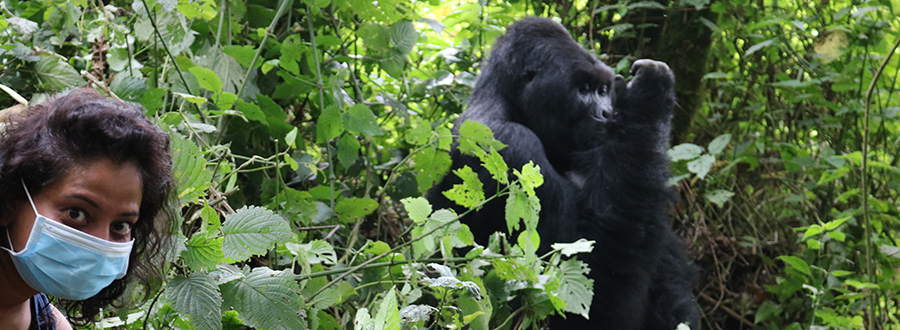
Goma offers an array of exciting and diverse activities, the main attraction being Lake Kivu. Kayaking and boat rides are popular. Another highlight is the Virunga National Park, a UNESCO World Heritage site known for its rich biodiversity and home to the critically endangered mountain gorillas. Another popular activity is climbing volcano – Nyiragongo.
Goma also boasts historical sites like the Notre Dame Cathedral, showcasing local architecture and history.
For nightlife enthusiasts, there are bars and clubs where one can enjoy local music and mingle with residents, providing a taste of Goma’s vibrant culture after sunset.

Events and festivals
Goma hosts a variety of events and festivals such as the Goma International Jazz Festival, held in October, where local and international artists come together for a weekend of vibrant performances in various venues across the city.
The Goma Cultural Festival, celebrated in July, is another significant event where visitors can experience traditional music, dance, and art exhibitions. It’s a great opportunity to engage with local artisans and see the creative talents of the community.
What to see in Goma?
Goma is filled with fascinating attractions that showcase its natural beauty and rich cultural heritage. Here’s a list of must-see places:
- Lake Kivu: This stunning lake is perfect for relaxation, water sports, and picturesque views.
- Virunga National Park: A UNESCO World Heritage site, it’s famous for its mountain gorillas and diverse ecosystems.
- Notre Dame Cathedral: A beautiful symbol of the city, this cathedral showcases impressive architecture and offers a place for quiet reflection.
- Mt Nyiragongo Volcano: Take a guided hiking tour to explore the breathtaking landscapes around the volcano.
- Centre d’Art de Goma: A cultural center that promotes local artists, featuring exhibitions and performances.
- Grand Marché: Goma’s main market where you can experience the hustle and bustle of local life and shop for handicrafts.
- Goma Zoo: A fun outing for families, showcasing local wildlife and promoting conservation.
These key attractions provide a well-rounded experience highlighting Goma’s natural beauty and cultural richness, making it a destination you should not miss.
 Accommodation in Goma
When it comes to accommodation, Goma offers a range of options catering to various budgets and preferences. From luxurious hotels to cozy guesthouses, you’ll find something that fits your needs.
In the city center, high-end hotels like the Karibu Hotel provide excellent amenities with breathtaking views of Lake Kivu. These hotels often feature restaurants and pools, convenient for both relaxation and gathering after a day of exploration.
For mid-range options, consider places like the Ihusi Hotel, which is known for its comfortable rooms and convenient location close to many attractions. Budget travelers also have options, such as local guesthouses offering a more authentic and personal experience.
The neighborhoods surrounding the city center are ideal for those who seek a quieter environment, often featuring charming boutique accommodations with a local touch.
No matter where you choose to stay, Goma’s hospitality ensures you’ll have a comfortable base as you explore this unique city.
Where to eat?
Goma’s culinary scene is a delightful mix of local flavors and international influences. Local cuisine features staples like cassava, plantains, and grilled fish caught from Lake Kivu. For an authentic dining experience, try one of the local eateries where dishes are prepared with traditional methods and served with a smile.
The main dining areas around downtown offer various restaurants where you can experience everything from Congolese stews to Asian, Italian, and French cuisine. Many establishments feature open-air dining, which allows you to enjoy meals while soaking in the local atmosphere.
Street food is abundant and a must-try for adventurous eaters. You can find grilled meats, fried plantains, and local snacks at various stalls across the city. Prices are generally affordable, with meals ranging from $2 to $10 depending on the venue and type of food.
Whether you’re looking for a sit-down dinner or a quick bite, Goma offers a rich culinary experience that is sure to satisfy your taste buds.
Transport and taxis
Transportation in Goma is both accessible and varied. Public transport mainly consists of shared mini busses and taxis, with mini busses being the most common mode for local trips, often costing less than a dollar.
Taxis are available but negotiate a fare before the journey. For safety, it’s recommended to use taxi services arranged by your hotel, particularly during late hours.
Parking and public garages
Parking in Goma can vary depending on your location – downtown areas often have designated parking zones, but they can fill up quickly, especially during peak hours. Public garages are available but may not be extensively marked, so it can be useful to ask locals or check with your accommodation for recommendations on where to park.
If you rent a car while in Goma, make sure to adhere to the local driving regulations, and consider using a GPS for navigation. Securing your vehicle is important, so always park in well-lit, populated areas when possible.