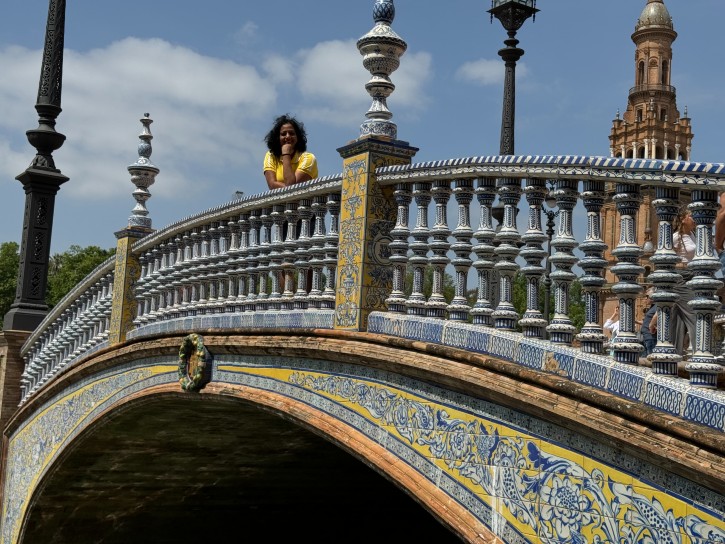
It is impossible not to be captivated by Seville. It’s vibrant culture, rich history, breathtaking architecture and delicious food and drink make it a tourist hotspot and one of Spain’s most loved cities.
I certainly wasn’t expecting to have my heart stolen by a Spanish city, but this captivating capital of Andalusia seduced me with its melancholic, guitar-strumming Flamenco singers, and passionate people.
It was warm and sunny when I arrived and without wasting time, I wandered through its vibrant streets accompanied going from one landmark to the other. The heart of the old city is where many of the main landmarks are located and Seville being a pedestrian friendly city makes walking easy. Alternatively, you can ride the tram all over the city.

A treasure to cherish
Seville really is a treat, and you must be present to savour it – and one thing is for sure, I left Seville having fallen in love with it.
As a city, Seville appeals to your intellectual and physical side. Besides the usual tourist-favourite, it is the little things that hold your heart forever – like the tiny streets and tapas bars in Barrio de Santa Cruz or the guitar or accordion players playing songs that serenade your soul.
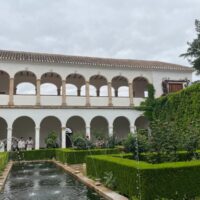
Seville is an architecture lover’s dream, with everything from imposing Gothic buildings to romantic Neo-Mudéjar plazas – the most striking piece of architecture is the Real Alcázar, originally built by the Moors in the 14th century. Of course, it has been expanded and renovated by various monarchs and rulers over time, resulting in a mix of Islamic, Gothic, Renaissance and Baroque styles. The intricate tile work, arches, courtyards, gardens and water features are all breathtakingly beautiful.
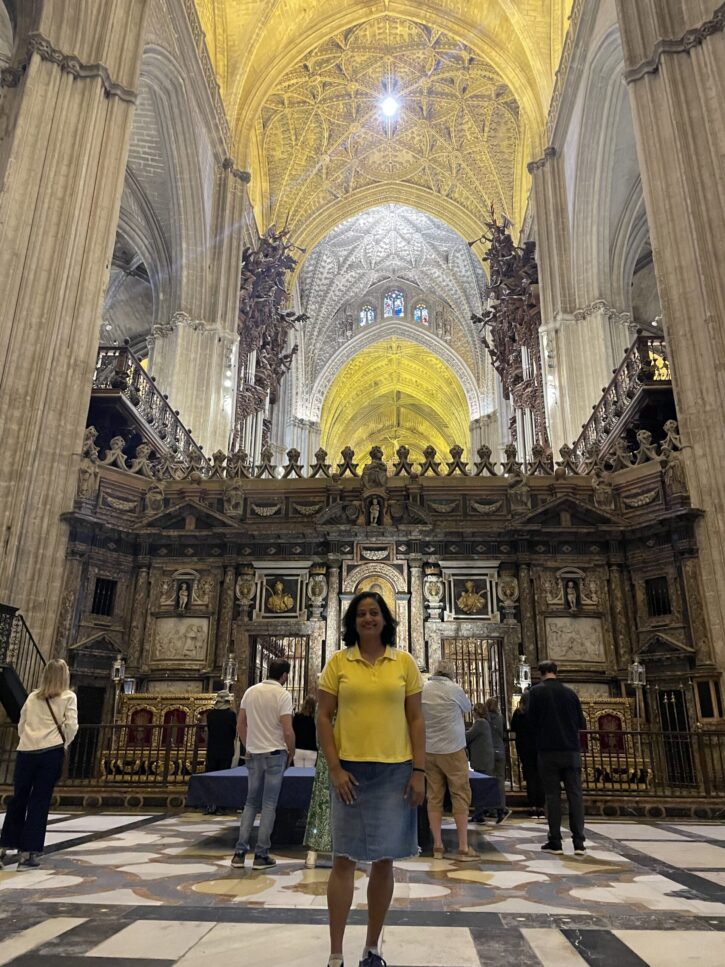
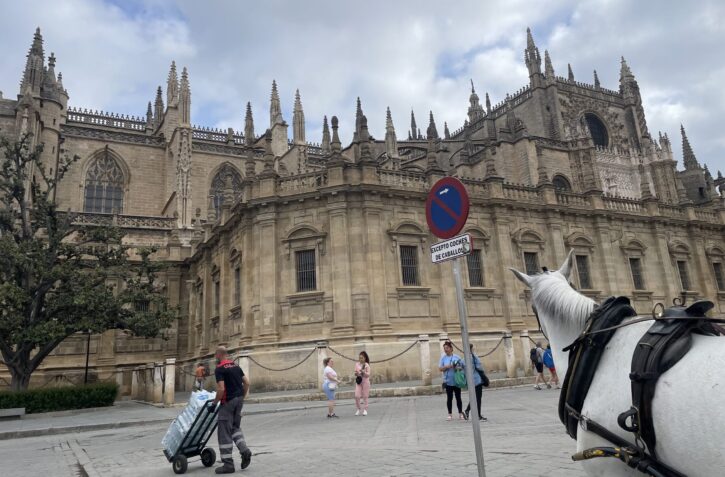
Seville Cathedral and La Giralda Tower
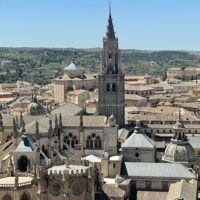
The Seville Cathedral is another architectural masterpiece. The Cathedral is a UNESCO World Heritage Site and is the largest Gothic cathedral in the world and is as magnificent both inside and outside. The Cathedral was built on the site of a mosque in the 15th century and the Giralda Tower was originally a minaret before later being converted to a bell tower. You can now climb the 104.1m tower for great views over the city. It took over a hundred years to build the cathedral and has 80 chapels.
It is said that the Cathedral has more than 40,000 kilos of gold, the largest pearl and several tonnes of silver.
There is much to see inside the cathedral – such as the tomb of Christopher Columbus (Although a great mystery surrounds the final resting place, with Dominican Republic claiming ownership of this).
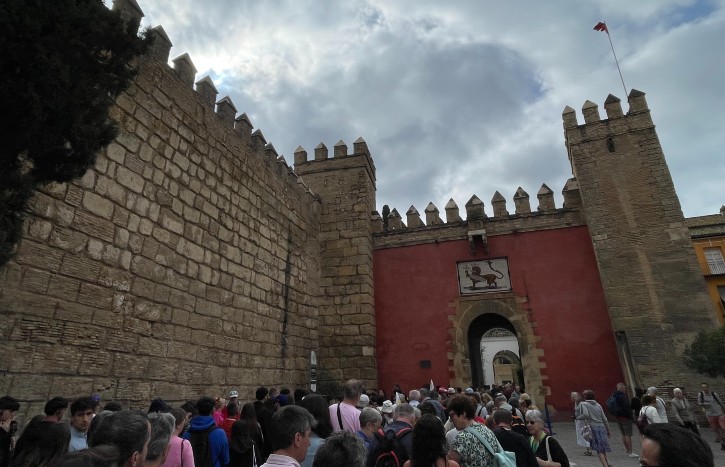
The Real Alcazar
Another architectural beauty is the Real Alcazar (Alcazar is Arabic for Palace and Real is Spanish for Royal), located next to the Cathedral. Built by Castilian Christians for King Peter of Castile, this Royal Palace (a UNESCO listed building) showcases the best of Moorish heritage with stunning Mudéjar architecture. The upper levels of the Alcázar are still used by the royal family as their official residence in Seville, making it the oldest royal palace to be still in use.
The Palace gardens are a labyrinth of secret passages and courtyards, fragrant flowers, fruit trees and beautifully manicured gardens dotted with Renaissance statues. Remember to check out the basement baths, or rather rainwater tanks, beneath the Patio del Crucero. These are called ‘Baths of Lady Maria de Padilha,’ named after the mistress of Peter the Cruel.
Tip: Book your tickets in advance.
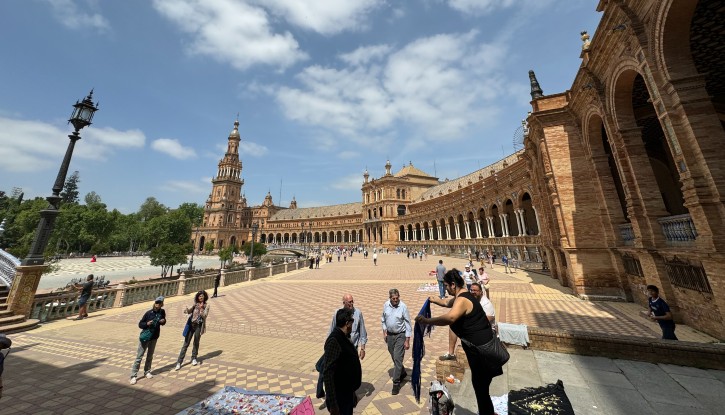
The Plaza de España
Seville’s most famous square, the Plaza de España combines Baroque, Renaissance and Moorish styles with features like intricate tilework, arches and fountains. It’s one of the most iconic and beautiful landmarks in Seville, and with street performers and musicians adding to the lively atmosphere, the plaza is a wonderful place to sit back and soak up the views. This Square took 15 years to build, with some 1,000 workers each day.
Located at one end of María Luisa Park, in the shape of an ellipse, the incredible square is headed by a large central building, framed by two Baroque-style towers some 229 feet (70 meters) high. Running along the walls of the building are 48 tiled alcoves and benches representing the 48 provinces that Spain had at the time. These benches have become a real tourist attraction, with Spaniards often taking photos at the bench representing their province of origin.
The square was built for the Ibero-American Exposition of 1929 and boasts impressive neo-Renaissance style architecture, with a wealth of decorative details that make it unique.
TOP 3 Reasons to visit Seville
-
You can go film location spotting
The Alcazar was the setting for Game of Thrones. Plaza de Espana provided the setting for Lawrence of Arabia (1962) and The Dictator. Bollywood made Seville a household name with its film Zindagi na milegi dobara.
-
Seville is a photography dream
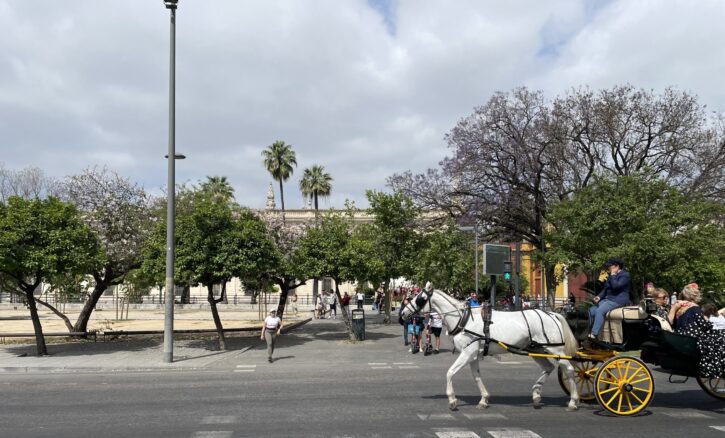
The light, the scenery, the colours are so fabulous that you will want to take “one more” picture of a café, a doorway, a street or a cup of coffee. I must have taken about 200 photos – good chunk of them are the cathedral and Alcazar. And ponies.
-
Tapas are to die for
Great news for foodies – Seville’s culinary scene is one of the top reasons why you should visit the city. No trip here would be complete without tapas, quintessential Spanish small plates of savoury dishes. There are numerous tapas bars throughout the city and part of the fun is hopping from one bar to another until you’re too full to move.
The Kissing Street
Did you know there is a street in this city called the Kissing Street? In this street, the buildings seem to angle in towards each other and the balconies from the opposite buildings are so close they are almost touching or kissing. Should you be standing on said balconies you can reach out and touch the other person.
Small treats
There are so many things to discover in this city and so many local experiences to be had. Some of my favorites are – watching a tile maker paint freshly made tiles (azulejos), hearing the clip-clop of horses, strolling alongside the mighty Rio Guadalquivir, finding a tapas bar or restaurant in the Jewish Quarter and listening to the street singers.
Must do
Watch a Flamenco show: Seville’s traditional music, song and dance form (believed to have originated somewhere between the 9th and 14th centuries here in Andalusia) blends Moorish, Jewish and Romani cultures. Flamenco is characterised by intense footwork, hand clapping and passionate expressions. There are a variety of shows every night that range from traditional to modern interpretations.
Here is a quick itinerary if you are short on time –
In Seville, there are a few must-do places, such as Real Alcazar and Seville Cathedral. And I believe, you should also explore the Triana neighborhood on the other side of the river. But if time your concern, a general walking route like this could work:
- Plaza de Espana and Parque de Maria Luisa
- Seville Cathedral & La Giralda (cut through the Jardines de Murillo, then through Barrio Santa Cruz)
- The Alcazar is right beside the cathedral (book tickets in advance, this will take up most of your time though)
- Then cross the river to the Triana neighborhood and visit Mercado de Triana. (Skip if you have visited Alcazar)
When in Spain, check out this gem.