One of the biggest pleasures of a trip to Venice is found in its traditional bars (osterie) enjoying a glass of wine and nibbling
on cicchetti. That, or drinking coffee at Café Florian in the style of history’s infamous Casanova and later lord Byron, the
English Romantic.
As a lover of coffee, Café Florian became the highlight of my sojourn in Venice, followed by a visit to the ‘most beautiful
bookstore in the world also called the Libreria Acqua alta. That said, Italy’s famous floating city Venice is a sight not easily forgotten. There are no roads, only canals and labyrinthine streets, linking St Mark’s Basilica with quaint coffee shops and hidden art galleries. Made popular through Hollywood and Bollywood films, Venice’s allure goes beyond the glitz and glamour.
Despite its over tourism, Venice exudes a magic that cannot be described. There’s nothing like getting lost in the small streets,
climbing over a bridge to see a gondola passing through beneath you, as you wander your way through this charming city.
Soak in the wealth of history
Venice was founded by refugees from the collapsing Roman Empire in the fifth century CE, making it a dream destination of
history buffs. The 11 th century St Mark’s Basilica alone makes it worth the trip. This Basilica with its Byzantine, Romanesque,
and Gothic influences with its intricate golden mosaics, five ornate domes, and stunning marble inlays was a symbol of
Venetian wealth and power.
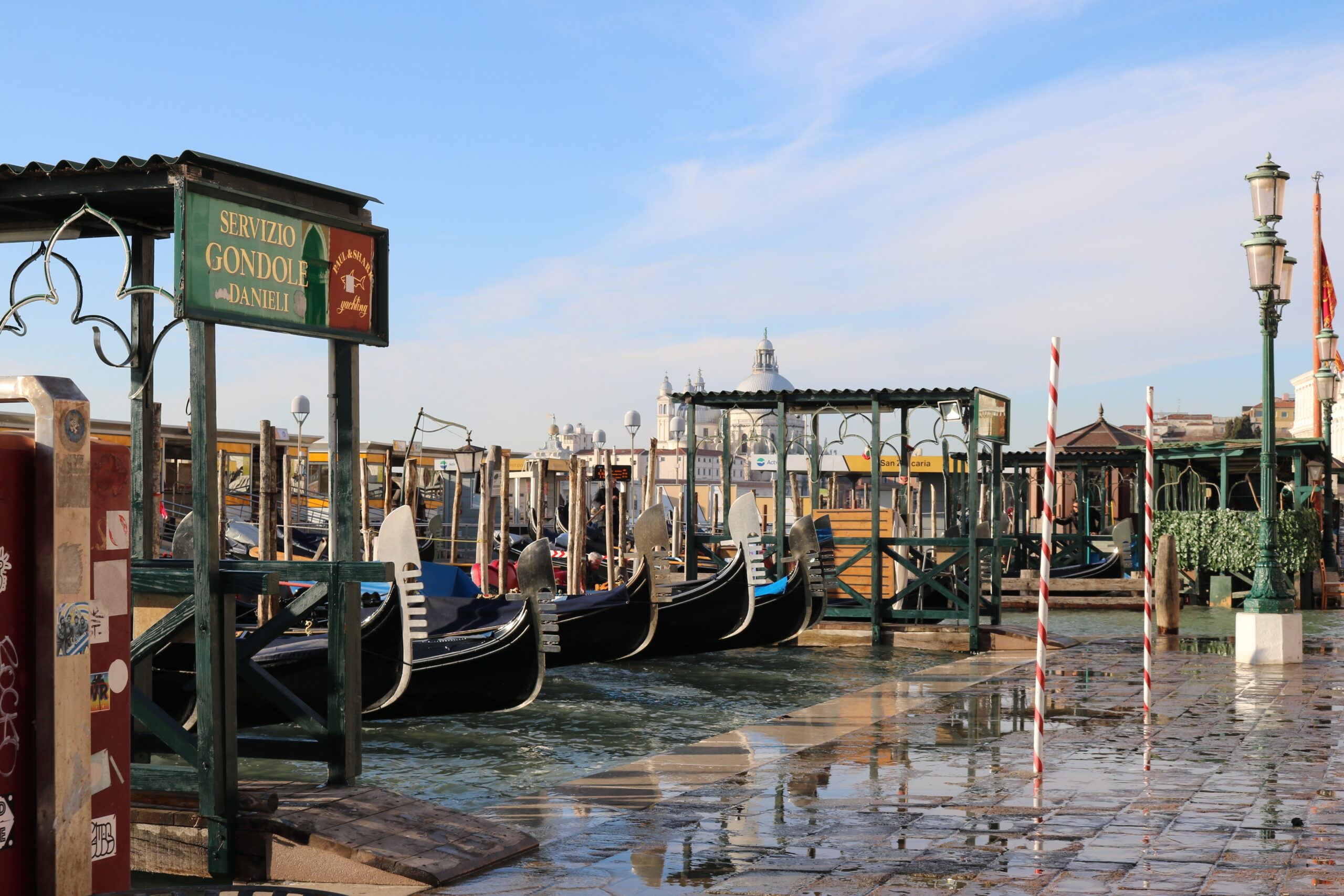
Also, where else in the world can you ride around a city in a gondola? Gondolas have been around for over a thousand years
(originated in 11 th century) with over 10,000 of them in service in the 17th and 18th centuries. They are something special, but the streets stole my heart. I loved walking through the streets, wandering around the city, in its captivating maze of people, bridges and canals, until I couldn’t feel my feet. Often (to catch my breath) I’d find myself on the doorstep of a hidden architectural gem, or have a canal all to myself, no tourists around which, like Ernest Hemingway before me, inspired me to write about this city.
Ernest Hemingway, the American journalist and author arrived in Venice in 1948 for the first time (and kept coming back). In
fact, it is said that after a ten year gap in writing, he found his inspiration to write again in Venice and managed to publish one
of his last novels, Across the River and into the Trees.
Marvel at renaissance masterpieces
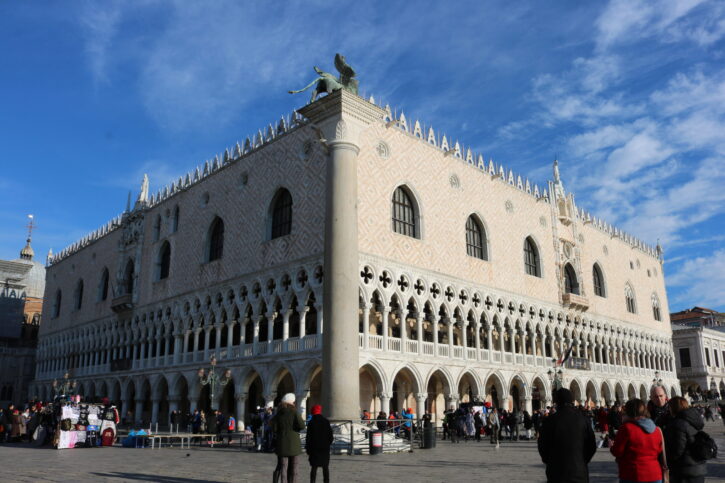
I was blown away by the planet’s largest oil-on-canvas painting in the main hall of Doge’s Palace. The painting depicts paradise
(hence the name II Paradiso) by Jacopo Robusti, simply known as Tintoretto. If you are an art lover, head to the Fine Arts
Museum (Gallerie dell’Accademia) which houses the world’s finest collection of renaissance Venetian painting displayed
under carved, gilded ceilings, dating from the 15th century.
Getting lost is the best way around
Getting lost in any of Venice’s six districts is inevitable – and there is no way you can help that. Google maps might not
exactly be helpful here, so don’t fight the inevitable. Enjoy the walk. I did – and that is how I found the floating library. But
here is a word of advice – have plenty of time when visiting Venice and head off the main tourist-trail to discover the hidden
treasures. Set aside some extra time to spend on the Grand Canal – the largest and the most famous canal in Venice. You might
want to consider finding a café on the waterfront and allow yourself to be transported back in time.
Alternatively, you can admire the water-facing facades of the ornate palaces on the Grand Canal from a boat. Keep your eyes
peeled for masterpieces such as the Palazzo Corner della Ca’ Grande, built in 1545 for the aristocratic Cornaro family, and the
15th-century Ca’ Foscari, one of the finest examples of late gothic architecture in Venice. Another top spot is the Rialto Bridge, a stone arch bridge crossing over the narrowest point of the Grand Canal in the heart of Venice. Built in the closing years of the 16th century making it the oldest bridge across the canal and is renowned as an architectural wonder.
Must try –
Italian Pasta, Cappuccino, and pastry are the top three in the list dishes to try. But have you heard of the Cicchetti (Venetian
starters) accompanied by a glass of wine or spritz. This is an absolute must try in this Floating City.
Did you know that spritz, a light aperitivo originated in this region?
Considering that Venice is located on water, seafood is highly recommended. It is not only fresh, but it of the highest quality.
Try the Baccalà Mantecato, a dish made of stockfish is a Venetian traditional food dating back to 1431 and the Lasagnette con Nero di Seppia (lasagna is squid ink).
While here, don’t miss –
The Royal Garden of Venice: This place is beautiful, and secluded and while there is not much to do here, this 5000
square meter of greenery is very calming. Open from Tuesday to
Sunday from 8.30am to 7pm.
Church De San Zaccaria: This 15 th century former monastic church in central Venice was built mainly by Venetian architect
and sculptor Gambello, and finished by the architect Codussi. There are so many beautiful details here, different curves and
shapes everywhere you look.
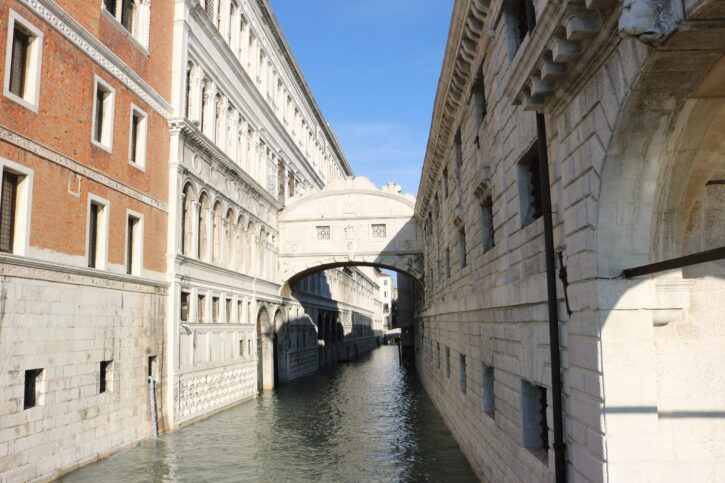
The Bridge of Sighs: Ponte Dei Sospiri (Bridge of Sighs as named by Lord Byron) is the most famous bridge in Venice. It
connects the Doges Palace to the prisons. As the name suggests, prisoners let out a sigh at seeing the beauty of Venice for the last time before heading to their life of imprisonment.
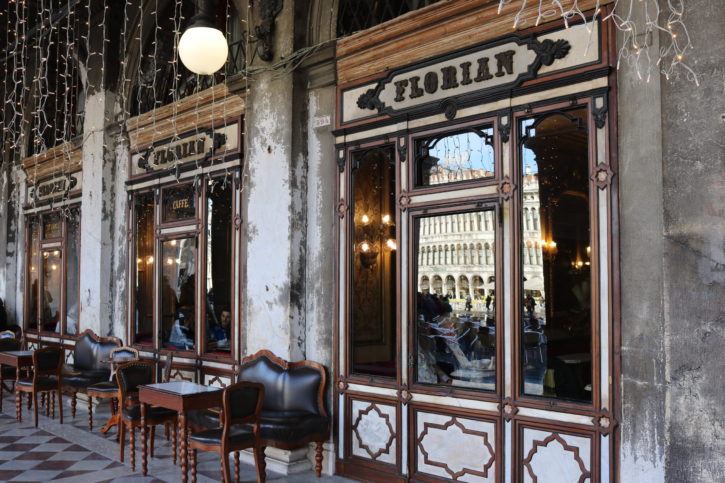
Have a coffee at Café Florian: Originally called Caffè alla Venezia Trionfante, this café came to be known as Caffe Florian
after its original owner and founder Floriano Francesconi. The flamboyant halls and decoration are from over a century ago.
Besides Lord Byron, other legendary figures like Casanova, Goethe, Rousseau and Gozzi frequented this place. It is also
among the first caffe’s to allow women and one of the oldest cafes of Italy in continuous operation.
Go shopping for antiques: Antique shopping in Venice is pleasure, considering that you end finding some real treasures.
Ride in a vintage wooden boat: otherwise called the water taxi limousines of Venice, these wooden boats have made James Bond, Johnny Depp, George Clooney and Angelina Jolie look fabulous! Ride in one. They are super-fast and make you feel
like you are in a movie.
Visit Murano: The closest island to Venice, this can be reached in 10 minutes by a vaporetto from Fondamente Nove. Murano is famous for its production of hand-blown glass. (Be advised that about 80% of the glass being sold on Murano is imported from
China). Real Murano glass is very expensive, very rare, and very difficult to produce.
Floating Library (Libreria Acqua alta)
The self-proclaimed ‘most beautiful bookstore in the world,’ the Libreria Acqua alta is unique in the way it conducts its business.
Hidden along Venice’s side streets behind an unassuming facade, this bookstore is home to a treasure trove of new and
used books creatively housed in gondolas and bathtubs not far from San Marco Square.
Due to Venice’s constant flooding, however, these picturesque piles are all placed inside bathtubs, waterproof bins, and in one
room a full-size gondola. The store’s cramped atmosphere is even reflected in its fire escape which is simply a door leading directly out into a canal.
Must Know
A few practical things about traveling to Venice –
1. Venice is very expensive – from food to museum entrance. Plan and check for discounted tickets and if you are traveling on a
budget plan your daily budget before.
2. Instead of staying in Venice itself, stay on the mainland (Mestre being a good choice)
3. The vaporetto (water bus service) goes up and down the Grand Canal and around the island itself, stopping at major points. If
you’re going to use this quite a bit, I’d recommend buying a 24/48/72 hour pass as they are a lot more cost effective than paying the €7 fare for each one-way journey.
Do this before you go –
If you have time before your trip, I highly recommend learning a bit more about the history of Venice and Venetian culture.
Venice is not ‘Italian’ by nature, and there is so much to the city’s story that you’ll benefit.