You can’t come away from Nepal without buying a souvenir or three. Such is the charm of Nepal that you will want to bring back memories of the place in the form of a magnet, Tibetan singing bowl, a sweater or a prayer flag. Sometimes all of these.
Most of these souvenirs can easily be found in the busy streets around Durbar Square in Kathmandu, Thamel, Patan, Bhaktapur and even around Boudhnath temple. However, if you are looking for the more authentic and unique pieces to bring back with you, it helps to know how to identify a real from fake, especially when it comes to items like cashmere or pashmina and Thangka paintings.
Popular items to buy
The Tibetan Singing bowls remain among the top items to buy. But can you tell a real from a run-off-the-mill mass produced singing bowl? Well, while it may not be very obvious to the untrained eye (most tourists are happy buying a singing bowl that produces a sound), a real handmade singing bowl doesn’t come cheap. A real one can cost anywhere upwards of USD 60, depending on its weight.
The Tibetan singing bowl is made of alloys of 7 metals and when struck with a wooden mallet produces a deep, resonating sound with multiple harmonic layers lasts up to 30 seconds or more. The mass-produced bowls are priced between USD 10 – 25.
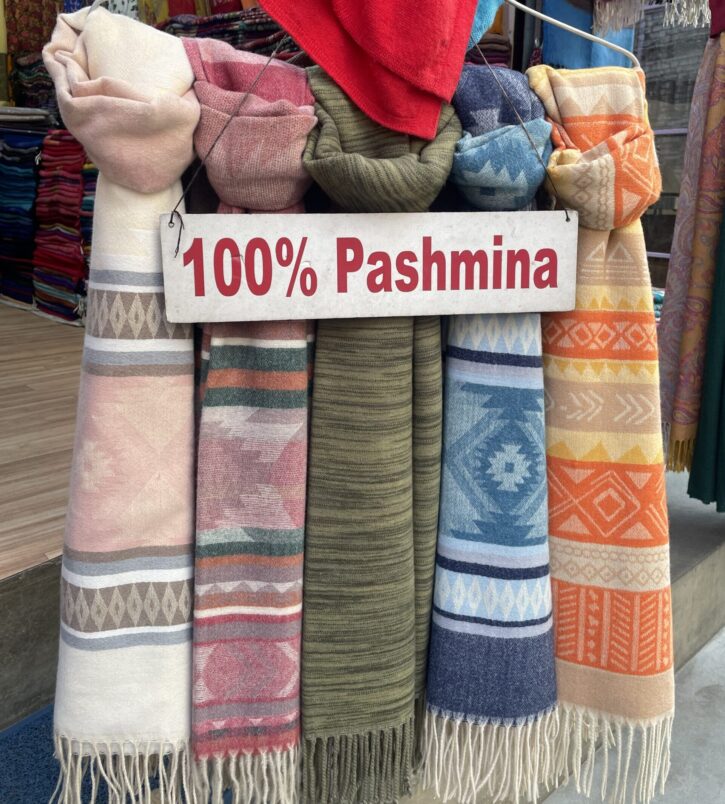
The second most popular items to buy are cashmere and pashmina (shawls, sweaters etc) – which can easily be found in Thamel area. But are these items real or fake? While most tourists don’t concern themselves with this, few others do . So, how do you tell a real from a fake?
Pro tip: There is something called a wedding-ring test. Take the full-sized pashmina shawl and pass it through your wedding ring/finger ring. High quality, real fine are very fine which means the shawl must easily go through the ring without bunching or snagging. Secondly, the price. If the vendor is offering “100 per cent pure pashmina” for USD 15-20, it isn’t the real deal.
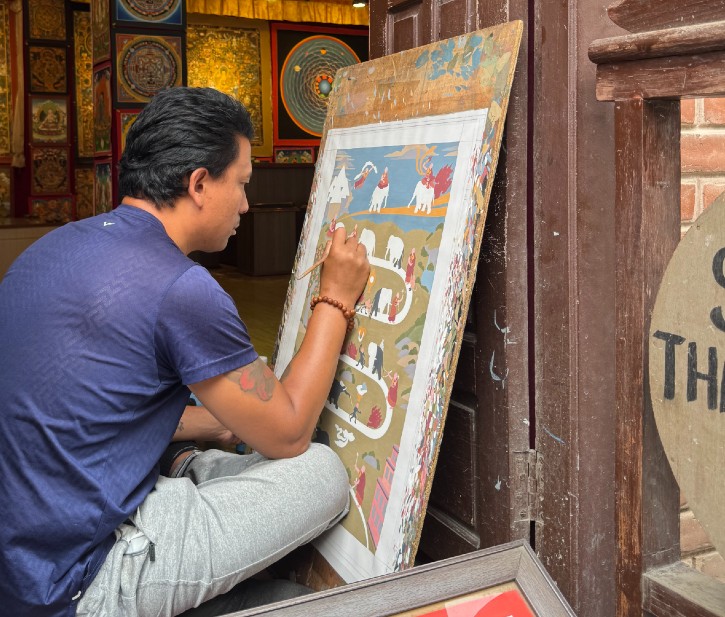
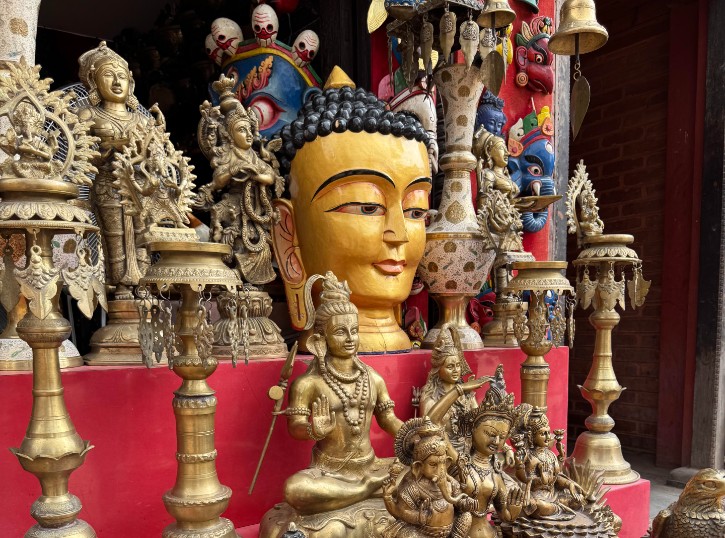
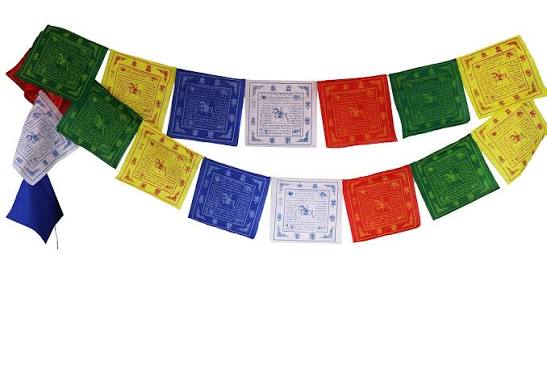
Yak wool shawl, Thangka paintings, Buddha statue, Khukri make up for other items of interest. My personal favourite is the prayer flag (I buy them at every given opportunity) – you can easily find these souvenirs at Boudhnath temple, while Bhaktapur is a haven for traditional wood carvings and pottery.
Important Notice for International Travelers
Nepal has a 100-Year Antiquity Law, which is strictly imposed. Under this law it is illegal to export any object or artifact that is more than 100 years old. If you purchase a statue, wooden carving, or painting that has been artificially aged to look antique, ensure the shop provides a certificate of non-antiqueness. For highly valuable or ancient-looking items, you must get clearance and an official stamp from the Department of Archaeology (located in Ramshah Path, Kathmandu) before heading to the airport to avoid confiscation or legal penalties.