There is something very soothing about being on the move – a slow crawl, super speeds or just plain old walks. But some countries take ‘being on the move’ to a new level with their locally made, unique modes of transport. Trains, planes or buses aside, these ingenious methods of transportation – such as boda boda bike-taxis, rickshaws (or tuk tuks) and wooden contraptions called chikudus are adding a touch of adventure to your travel.
I am all for trying new things – food or transport notwithstanding. Fortunately, my travels have taken me places where modes of transport are designed to suit the local need and lifestyle. I strongly believe that while some fly, some sail, roll or slide, ultimately how you travel makes all the difference.
In my years of travel, I have pretty much ridden everything – but my favourite has always been Uganda’s lifeline – the boda-boda.
Boda Boda (Uganda)
In Uganda, riding a boda- boda can add several layers to your experience. It is the most unique, economical, fun, and fastest way to get anywhere. These motorcycle taxis easily negotiate traffic (especially in the capital Kampala) and carry everything from chicken, people, goats to coffins. I have ridden on these bike-taxis for long and short rides – one as far as going to the Equator Point. We did have a road surprise, but it was all part of the –
A version boda boda exists in Kenya and are called piki pikis.
Moto (Rwanda)
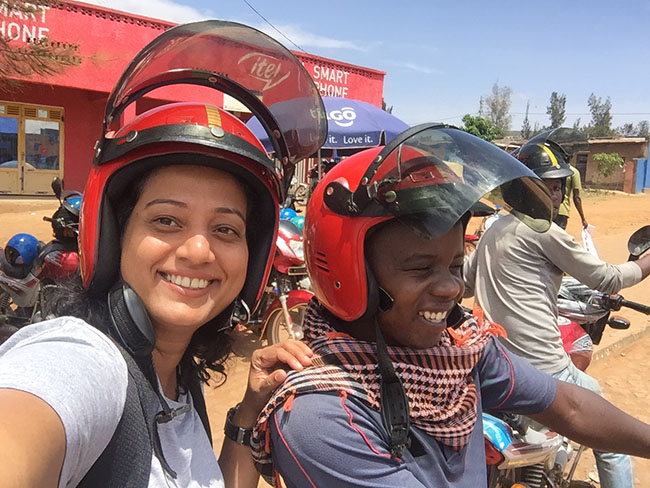
Like the boda boda, a similar mode of transport is found in Rwanda called the Moto. These are the uber of Kigali, the easiest, cheapest and safest ways to get around the city. The moto-drivers are required to wear uniform and the bikes have moto-meters so you are never worried about being overcharged. It is an interesting way to see the city. Helmets are a must.
Daladala and Matatu (Tanzania/Kenya)
Matatus (Kenya) and daladalas (Tanzania) are the primary, budget-friendly informal minibus transport systems in East Africa. When traveling in Africa, make sure to embrace the unpredictability of this transportation method, negotiate with a smile, and enjoy the ride!
My first glimpses of the main form of public transportation in Moshi, Tanzania called daladalas, left me a little doubtful of my convenience, comfort, and most importantly, my safety. I was heading to Arusha after summitting the Uhuru Peak (Mt Kilimanjaro). At first, I decided not to travel by it – then slowly I bought into the idea of trying it – at least once. After all, it was about a unique cultural experience Tanzania was famous for!
My observation is as follows – Daladalas are typically crowded, and it is not uncommon to see bodies protruding from the windows and doors. It is miraculous just how many people can be squeezed into one daladala. But despite what appeared to be chaotic and dangerous, I arrived in one piece, nothing stolen and no one “felt me up” in the crowd.
Daladalas are brightly coloured and you can’t miss it even if you tried. Its best to tell the driver your intended stop in advance. The daladala park can seem utterly chaotic but the conductors yell out the destination, so if you are still unsure, walk up to them and double check.
The ride is bumpy, sweaty, lengthy because of the incessant traffic, and dirty with all the dust flying in the windows. But in all my daladala rides, I have never felt threatened.
Matatus in Kenya work exactly like daladalas of Tanzania. They are more than just vehicles; they symbolize resilience and community spirit and continue to shape the urban landscape, connecting people, powering economies, and telling stories of ingenuity and adaptation.
***On a side note, matatus are also found in Uganda – they are either called matatus or taxis.
Jeepney (The Philippines)
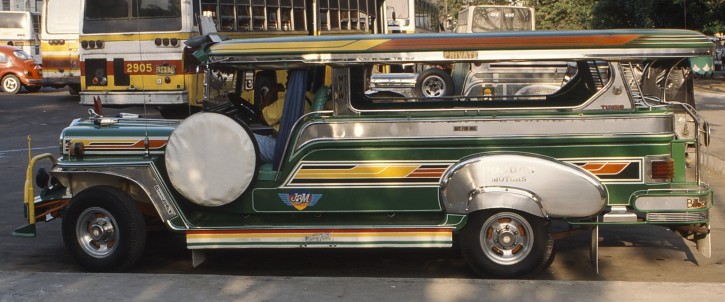
Brightly coloured half bus and half jeep, the Jeepney is an icon in The Philippines. In fact, I’d say it is a must try experience – it’s cheap, fun and a vibrant way to travel. The Jeepney is deeply integrated into the cultural fabric of the country and a very immersive and authentic way travel around the country. But a Jeepney ride comes with its own set of challenges – in the sense that they never follow a fixed route and can stop anywhere, anytime to pick up passengers. Also keep in mind that they always run full, considering that it is a cheap mode of transport) so be cautious with your belongings.
Becak (Yogyakartha, Indonesia)
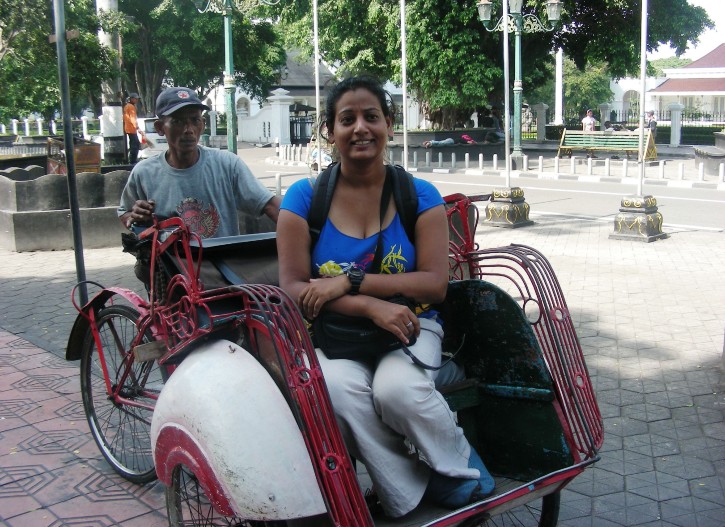
Quiet and unhurried – a ride in Yogyakartha’s iconic three-wheeled pedicab, the Becak is just what you need to add that touch of authenticity to your Indonesia travel, particularly Yogyakartha (Jogjakartha)
These man-powered (most have switched to motor power today) pedicabs easily move around the bustling heart of Malioboro. I have fond memories of becak rides – in fact I did a city tour in this – like visiting the Taman Sari (Water Palace) and Malioboro Street.
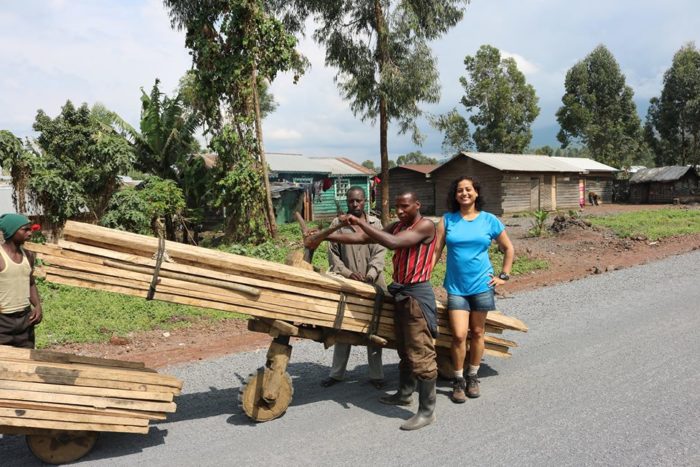
Chikudu/Chukudu (Goma, DR Congo)
These wooden scooters are essentially used for carrying goods and rarely people – but if you asked nicely, they will let you ride it – under supervision of course! Chikudus are very economical to make – costing USD 100 and for the cash-strapped Goma, these vehicles come handy for transportation.
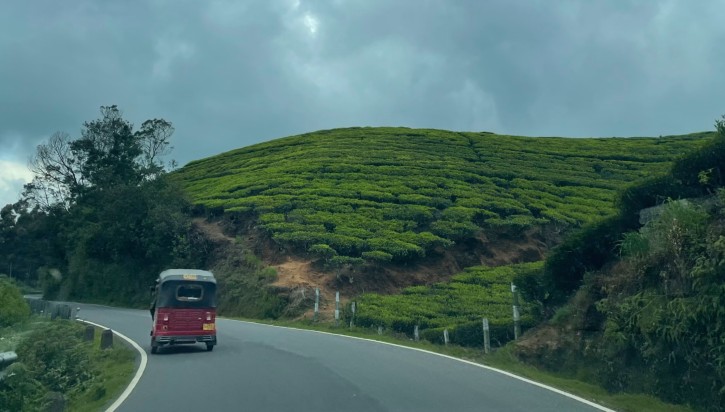
Tuk Tuk (Sri Lanka)
While I am pretty used to riding on a rickshaw (India), a ride in Sri Lanka’s Tuk Tuk was a very different and refreshing experience. (I took the train from Nuwara Eliya to Elle and came back on the tuk-tuk – so much fun.
These three wheeled vehicles can also be rented for cheap in Sri Lanka and so much is its popularity that every year a Tuk Tuk challenge is held in the country that attracts international participation.
Love train rides?
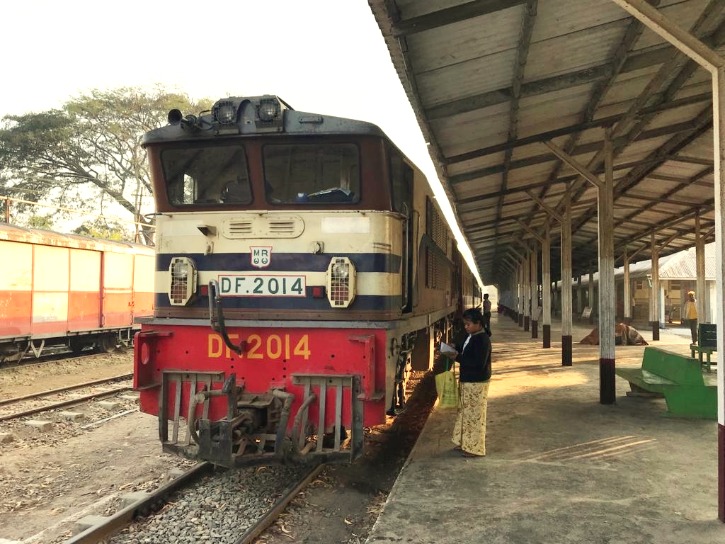
If you love train rides, especially the slow ones, try this – The slow train to THAZI?